
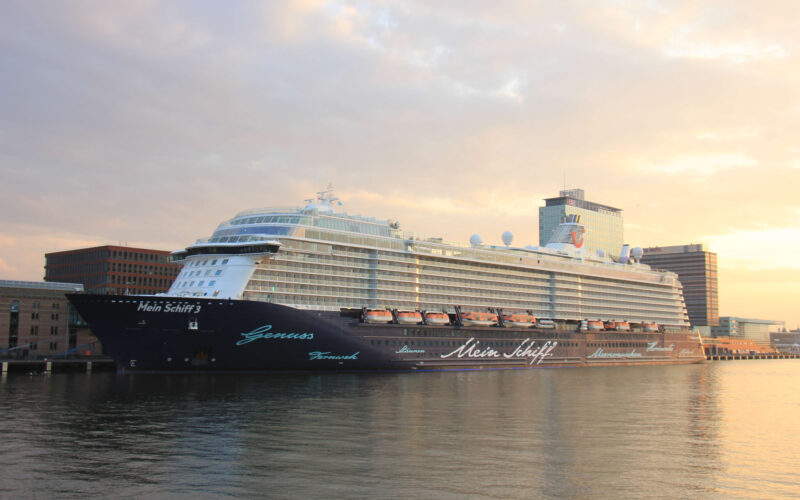
Amsterdam doesn’t need much of an introduction. But what it does need — especially if you’re stepping off a cruise ship with six hours and a full city to navigate — is a plan. The good news: the Passenger Terminal Amsterdam (PTA) is one of the best-positioned cruise terminals in Europe. You’re a 10-minute walk from Amsterdam Centraal, a 15-minute walk from the canal ring, and already in the city. No shuttle, no transfer, no wasted hour.
This guide covers everything you need for a good day ashore — from the terminal itself to the fastest way to reach the Rijksmuseum, the best canal boat to book, and where to eat without paying tourist prices.
Getting Ashore — Practical Information
The Passenger Terminal Amsterdam is on the IJ waterfront, east of Amsterdam Centraal station. It’s clean, modern, and well-staffed on cruise days. Once you’re off the gangway, the city starts immediately.
Address & Terminal
Piet Heinkade 27
1019 BR Amsterdam
Open during all cruise calls
Wi-Fi · Café · Restrooms
Tourist info · Taxi desk
Luggage storage available
Walking distance from terminal
The terminal puts you right on the edge of the city — most major sights are reachable on foot or by tram within 30 minutes.
- Amsterdam Centraal — 10 min walk
- NEMO Science Museum — 10 min walk
- Nieuwmarkt / Old Centre — 20 min walk
- Anne Frank House — 35 min walk
- Rijksmuseum — 35 min walk or 15 min by tram
Getting into the City
Amsterdam is compact and flat — easier to navigate on foot than most European capitals. From the PTA, Amsterdam Centraal is a 10-minute walk along the IJ waterfront. From Centraal, trams fan out across the city.
On Foot
Walk west along Piet Heinkade toward the eye-catching EYE Film Museum (with its free observation deck over the IJ). Continue past the ferry terminal — the free IJ ferry to NDSM Wharf departs here — and follow the waterfront to Centraal station in about 10 minutes. From Centraal, walk straight south on Damrak to reach Dam Square in another 10 minutes.
By Tram
From Centraal station, tram 2 and tram 12 run directly to Museumplein — the Rijksmuseum, Van Gogh Museum, and Stedelijk Museum cluster — in about 15 minutes. Tram 14 heads west toward the Jordaan and Westerkerk. Single tickets cost approximately €3.50; a 24-hour GVB day pass costs €9 and covers unlimited tram, bus, and metro travel across Amsterdam.
Pay with a contactless debit card at the card reader on the tram, or buy a day pass at any GVB ticket machine at Centraal station.
By Taxi or Rideshare
Taxis queue outside the terminal on cruise days. A taxi from the PTA to Museumplein costs approximately €15–18 and takes around 15 minutes (depending on traffic). Uber and Bolt both operate in Amsterdam — book in advance via app to save waiting time at the terminal.
By Bicycle
Cycling is the Amsterdam way, and several rental shops operate within 10 minutes of the terminal near Centraal station. Expect to pay €12–18 for a half-day rental. Amsterdam’s cycle infrastructure is excellent — the canal ring, Vondelpark, and Jordaan are all easily navigable on a standard city bike.
Things to Do in Amsterdam
Amsterdam’s challenge isn’t finding things to do — it’s choosing. The city has three world-class museums within 500m of each other, a UNESCO canal ring walkable in an afternoon, and a food scene that rewards wandering. Below are the highlights worth planning around.
The Museum Quarter — Book in Advance
The Rijksmuseum is the essential Amsterdam museum — Rembrandt’s Night Watch, Vermeer’s Milkmaid, and three centuries of Dutch Golden Age art, all in one building. Timed-entry tickets must be booked in advance; walk-up availability is limited in peak season. The Van Gogh Museum next door operates the same way — timed entry, no walk-ups guaranteed. Book both as soon as your port date is confirmed.
The Anne Frank House is the most emotionally significant of Amsterdam’s sites, but also the hardest ticket to get. Slots open 8 weeks ahead at 9am Amsterdam time and sell out within minutes in summer. If you can’t get a ticket, the nearby Dutch Resistance Museum (Verzetsmuseum) covers the same period in depth and is rarely crowded.
Full guide: How to book Amsterdam’s sold-out attractions from your cruise →
The Canal Ring — Walk or Boat
Amsterdam’s Grachtengordel — the horseshoe of 17th-century canals that defines the city — is a UNESCO World Heritage Site and one of the great urban walks in Europe. The Jordaan neighbourhood to the west of the ring is the most characterful: narrow streets, brown cafés, independent shops, and some of Amsterdam’s best hidden restaurants. Allow 2–3 hours to walk from Centraal to Museumplein via the canal ring at a comfortable pace.
Alternatively, see it all by water on a canal boat tour. Hour-long guided tours depart every 15–30 minutes from the piers near Centraal station and from the Rijksmuseum area. Pre-booking via GetYourGuide or Tiqets saves time at the pier.
Full guide: Amsterdam canal cruise — which boat tour is best? →
Keukenhof — Spring Day Trip (March–May)
If your cruise calls at Amsterdam between late March and mid-May, a half-day at Keukenhof should be your first priority. The world’s most famous flower garden — 7 million bulbs, 32 hectares, open for just 8 weeks a year — is 40 minutes from Amsterdam Centraal by direct shuttle bus. Timed entry must be pre-booked; it sells out. Do not arrive expecting to buy tickets at the gate.
Full guide: Keukenhof from Amsterdam cruise port — tickets, timing and how to get there →
Day Trips from Amsterdam
Haarlem is 20 minutes by train from Amsterdam Centraal and often more rewarding than Amsterdam itself for passengers who’ve already seen the city — beautiful canals, the Frans Hals Museum, and far fewer crowds. Zaanse Schans, the traditional windmill village, is 25 minutes by train. Both are good half-day options if museums are fully booked.
See all day trips from Dutch cruise ports →
Hotels Near the Amsterdam Cruise Terminal
Arriving the night before or staying on after your cruise? These are the best hotels within easy reach of the PTA.
Mövenpick Hotel Amsterdam City Centre
The closest hotel to the PTA — a 5-minute walk along the IJ waterfront. Contemporary rooms, a waterfront restaurant, and a direct walking route to Centraal station. Well-suited for pre- and post-cruise stays with an easy terminal transfer.
Piet Heinkade 11 — 5 min walk from terminal
DoubleTree by Hilton Amsterdam Centraal
Well-placed near the NEMO Museum and Centraal station, with comfortable rooms and easy access to both the terminal and the city centre. The rooftop bar has panoramic views across the IJ and Amsterdam skyline.
Oosterdoksstraat 4 — 10 min walk from terminal
INK Hotel Amsterdam
A stylish boutique hotel in a converted newspaper building on Nieuwezijds Voorburgwal — excellent location between Centraal station and Dam Square. Design-focused rooms, a popular bar, and one of Amsterdam’s better hotel restaurants.
Nieuwezijds Voorburgwal 67 — 20 min walk or 10 min by tram
Eat & Drink Near the Terminal
The area immediately around the PTA is mostly office and museum territory — the best eating is a 15–25 minute walk or tram ride away. Here are the options worth planning around.
Foodhallen Amsterdam
Amsterdam’s finest indoor food hall, in a converted tram depot in the Oud-West neighbourhood. Twenty-plus food stalls covering most cuisines — from Dutch bitterballen and Vietnamese banh mi to Japanese ramen and artisan cheese. Good for groups and a reliable mid-shore-day lunch. Tram 1 or 17 from Centraal to Jan Pieter Heijestraat, approximately 15 minutes.
Albert Cuyp Market
Europe’s busiest daily street market runs on Albert Cuypstraat in the De Pijp neighbourhood — a 15-minute tram ride from Centraal. Free to browse, excellent for Dutch street food: fresh stroopwafels (warm from the iron), raw herring with onions, kibbeling, and poffertjes. One of the most authentic Amsterdam food experiences and completely free to visit.
Café Brouwer (Jordaan)
A classic Amsterdam brown café in the heart of the Jordaan. Solid Dutch lunch menu — uitsmijter, Dutch cheese plate, bitterballen — at non-tourist prices. Busy on weekends; arrive before noon for a table without waiting. Tram 13 or 17 from Centraal to Westermarkt.
Brouwerij ‘t IJ
Amsterdam’s most famous craft brewery, set inside a working windmill on the Funenkade — about 20 minutes on foot from the PTA. The tasting room opens at noon; flights of award-winning beers and Dutch bar snacks. The outdoor terrace is one of Amsterdam’s best spots on a sunny shore day.
FAQ — Amsterdam Cruise Port
How far is the Amsterdam cruise terminal from the city centre?
The Passenger Terminal Amsterdam is approximately 1 km from Amsterdam Centraal station — a 10-minute walk along the IJ waterfront. From Centraal, the main canal ring and Dam Square are another 10–15 minutes on foot, or 5 minutes by tram.
Do I need to pre-book Amsterdam attractions?
Yes — for the Rijksmuseum, Van Gogh Museum, and especially the Anne Frank House, advance booking is essential in peak season (April–September). Timed-entry tickets sell out days or weeks ahead. Book as soon as your port day is confirmed. See our full booking guide: How to book Amsterdam’s sold-out attractions →
Is there a shuttle bus from the Amsterdam cruise terminal?
Some cruise lines run a courtesy shuttle on port days — check with your ship the evening before. Amsterdam is unusual among cruise ports in that the terminal is so close to the city that most passengers find walking or a short tram ride more practical than any shuttle.
What currency is used in Amsterdam?
The euro (€). Card payments are accepted almost everywhere in Amsterdam — including on trams (contactless only), at market stalls, and in most cafés. The Netherlands is one of the most cashless societies in Europe; you rarely need cash, but having €20–30 is useful for very small vendors.
Can I cycle in Amsterdam as a tourist?
Yes — and it’s one of the best ways to experience the city. Rental bikes are available from multiple shops within 10 minutes of the terminal, typically €12–18 for a half-day. Amsterdam’s cycle infrastructure is world-class. Stick to dedicated cycle lanes, follow traffic signals, and watch for trams on shared streets. Most accidents involving tourists happen when cyclists ride on tram tracks.